

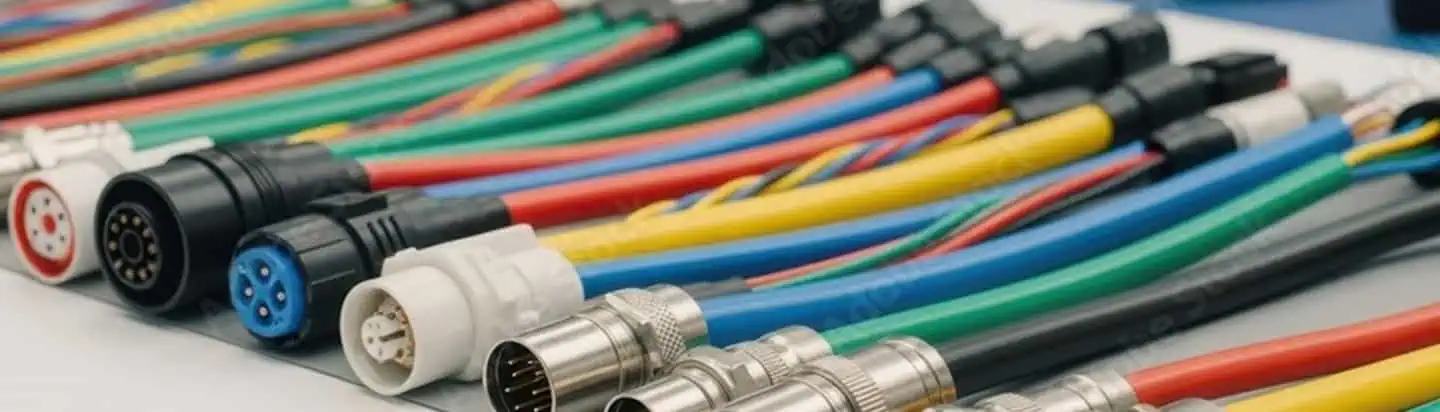
Marsh Electronics is a distributor and value-added supplier of precision electronic components and custom wire harnesses. For over 90 years, our IPC-certified MarVac Assemblies division has supported original equipment manufacturers (OEMs) across the heavy industrial, commercial off-road, and food and beverage sectors. Learn more about optimal material selection, strict IPC/WHMA-A-620 compliance standards, and the strategic advantages of outsourced assembly below.
A failed wire harness does not simply stop a single machine. It can halt an entire automated production line, trigger a massive product recall, or compromise patient safety in sensitive medical equipment. Wire harnesses act as the circulatory system of any complex OEM product, yet their underlying design and manufacturing decisions rarely receive the same intense engineering scrutiny as the sophisticated components they connect.
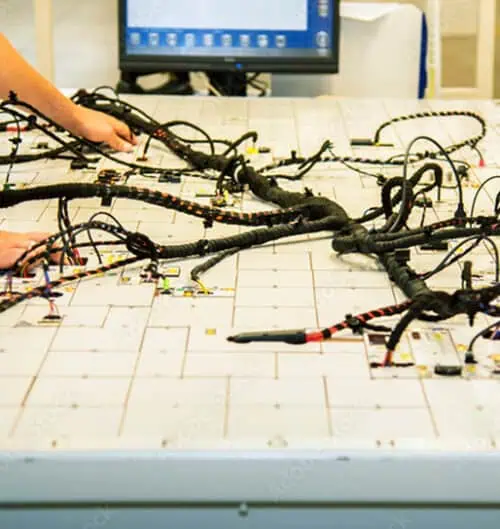
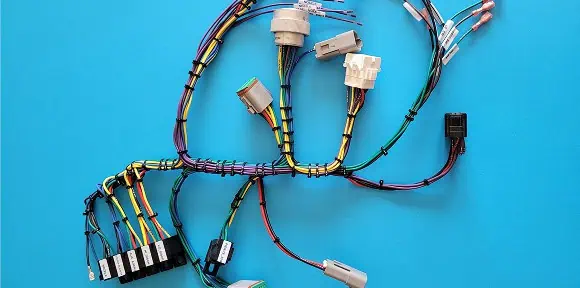
Modern OEM platforms demand far more from their internal wiring assemblies. Heavy industrial equipment runs continuously in rugged and harsh environments. Food and beverage systems must survive highly corrosive washdown procedures. Commercial off-road electronics operate across brutal temperature extremes. A generic harness built to standard specifications will fail rapidly, whereas custom-engineered wire harness assemblies would succeed.
Optimizing for Performance: Wire Jacketing and Material Selection
Every successful custom wire harness begins with a complex material selection problem. The precise choices of jacketing and insulation made during the early design phase completely determine whether the final assembly survives its deployment environment for one year or ten years.
Engineers frequently specify four primary jacketing materials based on environmental exposure:
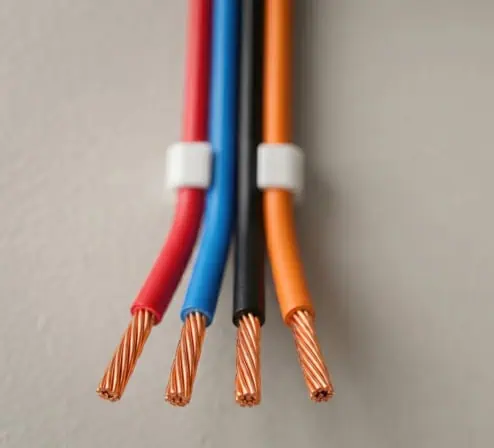
This compound is standard for general-purpose applications due to its low cost and broad chemical resistance. It handles moderate operational temperature ranges from -20°C to +105°C and resists light oils and moisture. However, PVC suffers a severe loss of flexibility at sub-zero temperatures.
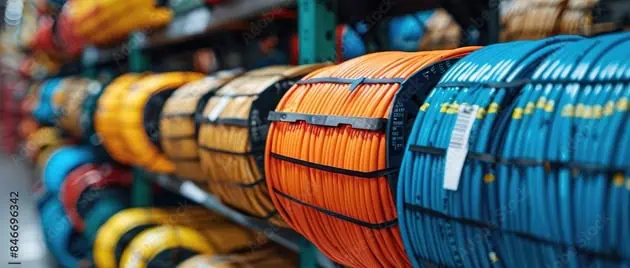
These advanced materials operate safely at temperatures exceeding 200°C and actively resist virtually all harsh chemical exposures. Fluoropolymer insulation runs exceptionally thin relative to its voltage rating, allowing engineers to design smaller conductor bundles for tight physical spaces.
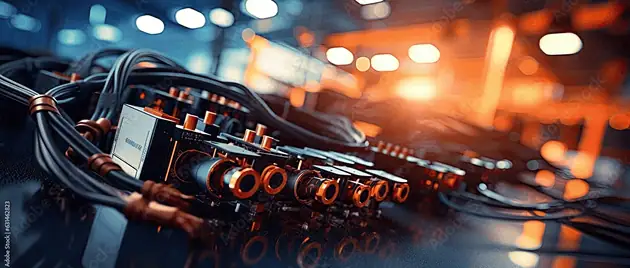
This material delivers superior abrasion resistance. Polyurethane jacketing withstands severe mechanical wear that rapidly destroys PVC. It also retains maximum flexibility at low temperatures, making it the optimal choice for commercial off-road equipment in freezing climates.
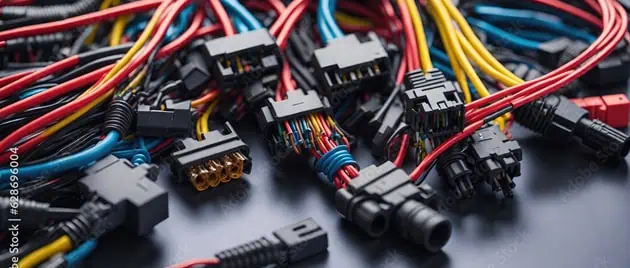
This compound handles the widest possible temperature range (-60 °C to +200 °C) and features excellent flame resistance. However, silicone tears easily under mechanical wear and requires careful routing to prevent physical damage.
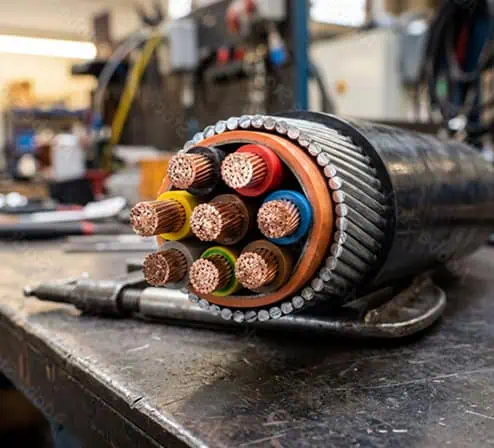
Material selection also extends directly to conductors, terminals, and outer connector shells. Conductor stranding actively dictates flexibility and fatigue resistance. Tin-plated terminals resist corrosion in highly humid environments, while gold-plated contacts maintain the necessary low resistance in sensitive signal circuits. Every single material choice compounds across the assembly to determine overall field performance.
Guaranteeing Quality: The Importance of IPC/WHMA-A-620 Standards
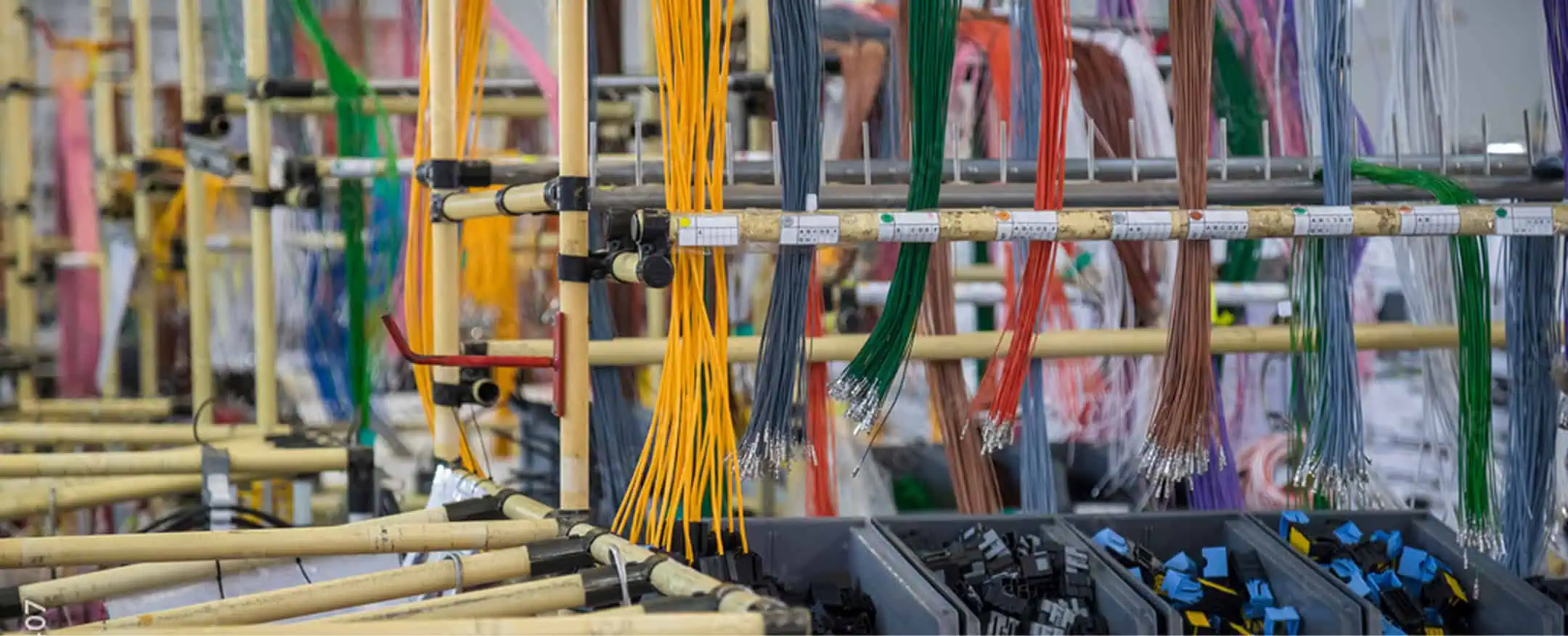
Material selection determines whether a harness can physically survive its environment. Strict adherence to IPC/WHMA-A-620 standards determines whether the facility was built correctly in the first place.
IPC/WHMA-A-620, officially titled “Requirements and Acceptance Criteria for Cable and Wire Harness Assemblies,” defines absolute workmanship standards for every aspect of harness construction. This framework regulates exact tolerances for crimping, soldering, splicing, internal routing, and labeling. Certified assemblers evaluate harnesses against rigid, objective mathematical criteria rather than subjective visual judgments.
The IPC/WHMA-A-620 standard divides acceptable workmanship into three distinct performance classes:

Class 1 General electronics products
This category establishes minimum acceptability requirements for basic consumer and commercial applications where long service life is not a primary engineering concern.

Class 2 Dedicated service electronics
This class dictates extended life expectancy and uninterrupted service requirements. Heavy industrial equipment and commercial transportation fall securely into this tier, requiring tighter acceptance criteria and additional formal inspections.

Class 3 High-performance/harsh environment electronics
This tier mandates continuous performance; equipment failure is not tolerated under any circumstances. Defense electronics, aerospace components, and
life-saving medical devices require Class 3 compliance and comprehensive production documentation.
For OEMs, the practical value of IPC/WHMA-A-620 certification extends far beyond basic workmanship. Certified assemblers operate strictly documented quality management systems. These formal inspection records provide total traceability from the raw material straight through to the finished assembly.
In-House vs. Outsourced: A Cost and Capability Analysis
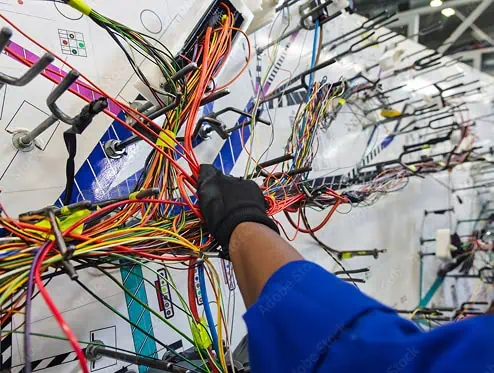
Many OEMs eventually face a strategic manufacturing crossroads. They must choose whether to invest heavy capital into internal wire harness assembly capabilities or outsource the work to a specialized provider like Marsh Electronics.
OEMs must evaluate several heavy operational factors before finalizing this supply chain decision:
- Capital equipment costs
- Labor specialization
- Volume scalability
- Inventory management
- Technical design support
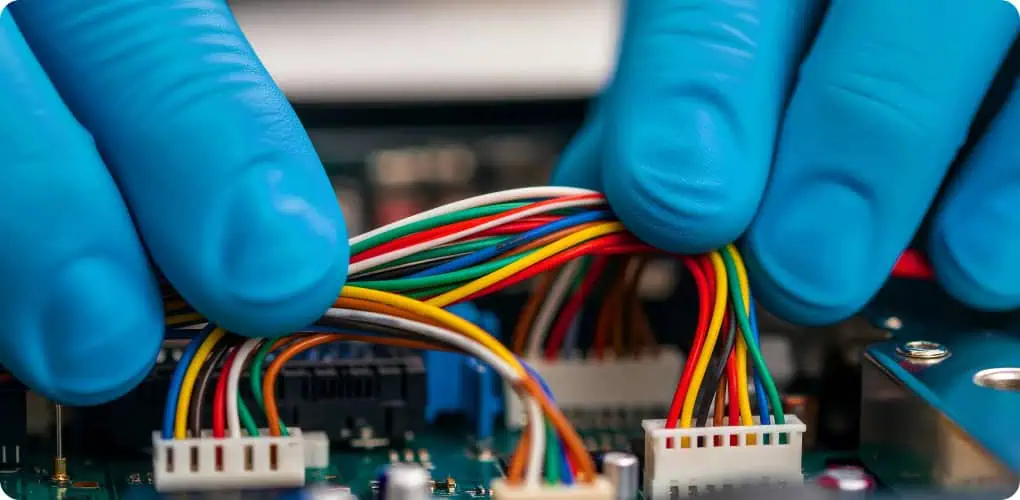
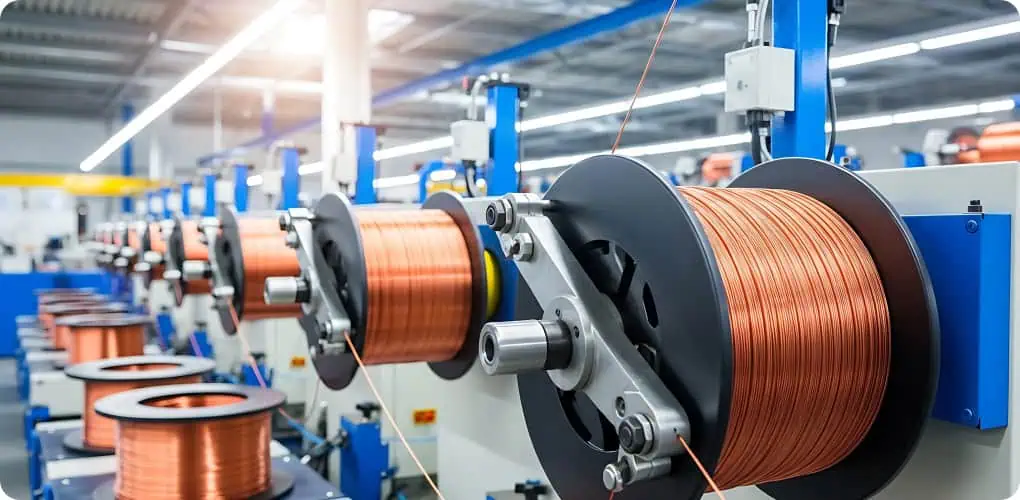
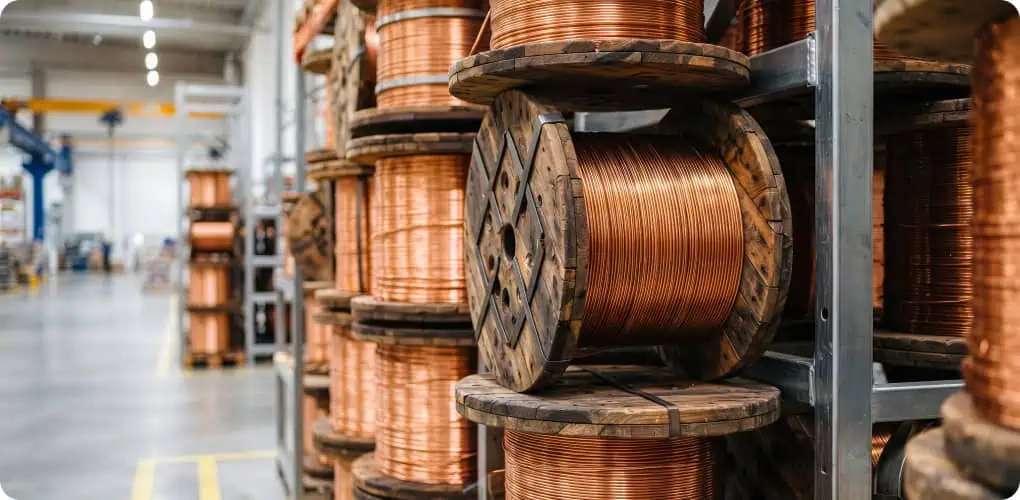
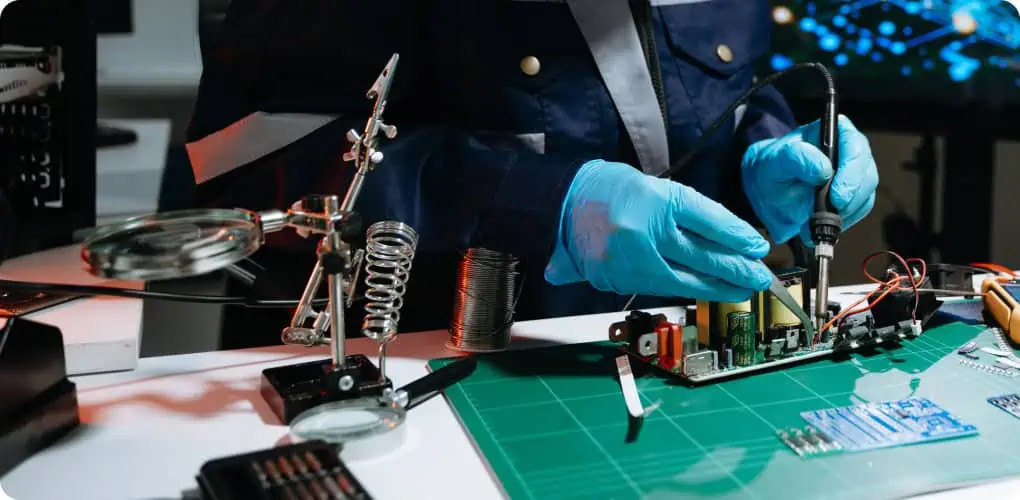
The financial break-even analysis heavily favors outsourcing for most OEM programs. Contracting your OEM applications to an established partner eliminates heavy overhead and stabilizes your production schedule. For OEMs that also require box-build assembly, MarVac’s box-build capabilities allow you to consolidate both wire-harness and full-enclosure assembly under a single supplier.
Partnering with Marsh Electronics for Mission-Critical Wire Harness Solutions
Manufacturing high-performing custom wire harnesses requires absolute precision at every stage of the process. Using the wrong jacket material leads to premature field failures. Assembling components outside of strict IPC standards produces wiring systems that pass initial factory inspection but fail catastrophically in the field.
For over 90 years, Marsh Electronics has guided OEMs through these complex supply chain decisions. Because we operate as a major component distributor, our harness programs draw on long-established relationships with top-tier conductor, terminal, and jacketing manufacturers. We leverage this network to deliver superior parts at highly competitive pricing.
Simultaneously, our MarVac Assemblies facility conducts dedicated WHMA A-620-certified production, and our box-build assembly capabilities allow OEMs to consolidate harness and full enclosure integration with a single provider. We actively supply the exact quality documentation that heavy industrial, commercial off-road, and food and beverage OEMs demand. Our on-staff engineers review all harness specifications for hidden DFM issues before production begins, and our automated inventory replenishment programs permanently eliminate the component shortages that stall assembly lines.
Ready to optimize your next project with a reliable custom wire harness solution?
Request a quote from our expert assembly team today